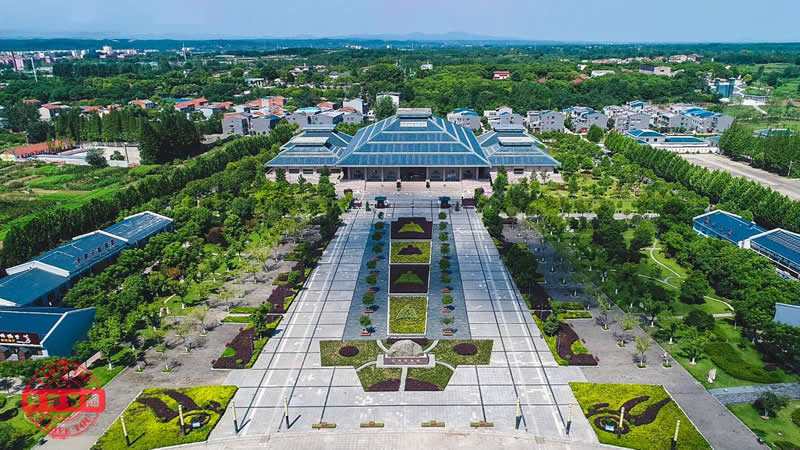
Red Emperor
Introduction
Red Emperor, or Yandi, also known as Shennong or the Divine Farmer, is a legendary figure in Chinese mythology and history, considered one of the ancestral forefathers of the Chinese people. He is traditionally regarded as the initiator of agriculture and herbal medicine, contributing significantly to the advancement of early Chinese civilization. Red Emperor is often associated with Yellow Emperor, or Huangdi, as foundational figures of Chinese culture, and together they are said to have laid the groundwork for the development of Chinese society.
Historical Background and Legend
Red Emperor is believed to have lived during a time preceding the Xia Dynasty (c.21st century-16th century BC), making him a semi-mythical figure who represents a period when Chinese civilization was transitioning from a nomadic to an agrarian society. According to legend, Shennong was born through a miraculous event involving a dragon, symbolizing divine intervention and celestial connection. He is credited with numerous achievements, particularly in agriculture and medicine.
Red Emperor is famously known for his role in teaching people the use of fire and the development of farm tools, enabling the cultivation of crops. He is also reputed to have tasted hundreds of herbs to determine their medicinal properties, thus laying the foundation for traditional Chinese herbal medicine.
Cultural and Religious Significance
Red Emperor holds a profound place in Chinese mythology as a cultural hero, symbolizing the transition from primitive society to a more organized civilization. His contributions to agriculture and medicine are highly celebrated, and he is often depicted in Chinese folklore and art as a benevolent figure with a human body and the head of an ox.
The worship of Red Emperor has persisted through the ages, with many regions in China, particularly in Hunan province, paying homage to him as an ancestral deity. The Mausoleum of Red Emperor in Zhuzhou, Hunan, serves as a cultural heritage site where people pay tributes to their ancestral roots and celebrate his contributions to Chinese civilization.
The Suizhou Discovery
In recent years, archaeological findings in Suizhou, Hubei province, have drawn attention to Red Emperor's historical significance. During construction activities in Longquan village, a large number of holes and scratches on rocks, alongside a statue of the Sun God, were discovered. This statue is believed by some scholars, such as Wang Wenhu, to represent the Red Emperor, further solidifying his status as a revered figure in the region.
The statue and surrounding rock art have been subject to extensive study by rock art experts, with findings suggesting their creation dates back approximately 4,500 years. These discoveries offer potential insights into the origins of Chinese civilization and the cultural practices of ancient societies.
Legacy and Modern Recognition
The legacy of Red Emperor continues to influence Chinese culture to this day. His association with agricultural development and herbal medicine has enduring significance in the context of modern Chinese traditional practices. Red Emperor's narrative also intertwines with the broader mythos of the Chinese nation, symbolizing resilience, innovation, and the enduring spirit of the people.
Efforts to preserve and highlight Red Emperor's cultural legacy have manifested in the form of tourist attractions, such as the Shennongjia Forestry District, which is named after the legendary figure and serves as a reminder of his contributions to China's historical and cultural landscape. The district is renowned for its biodiversity and natural beauty, attracting millions of visitors who are drawn to both its ecological and mythical significance.








